How Residential Drain Cleaning Tacoma Handles Everyday Clogs Efficiently

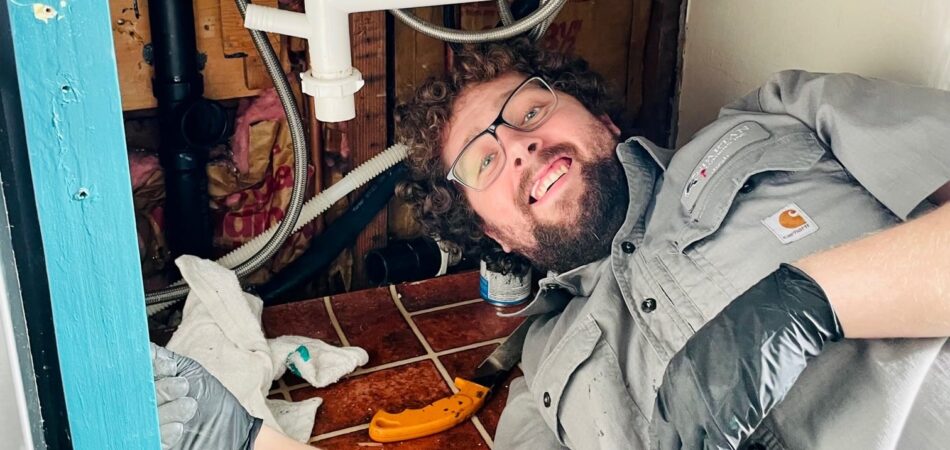
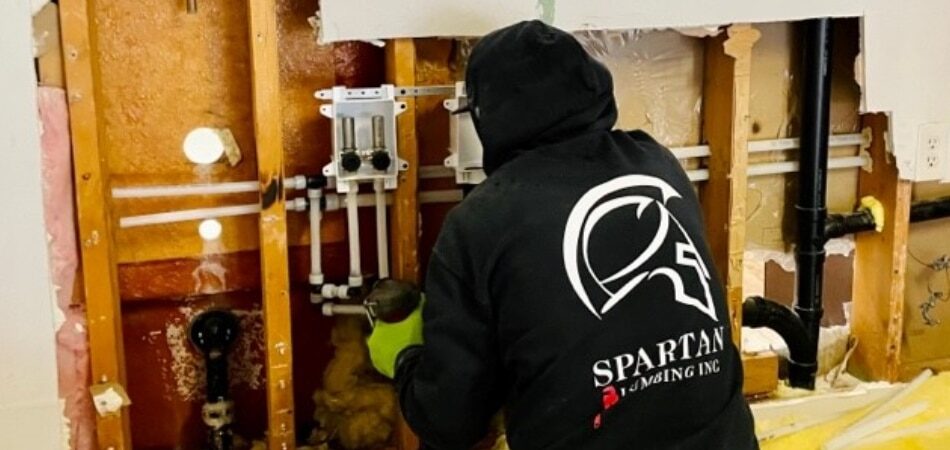
Anyone who has lived in the same home for a few years learns the pattern. The kitchen sink starts draining a little slower after the holidays. The upstairs bathroom basin holds water around the stopper. The shower turns into a shallow puddle by the end of the morning. None of these problems looks dramatic at first, but that is exactly why they linger. By the time a clog becomes impossible to ignore, it has often moved from a simple cleaning issue to a larger plumbing concern.
That is where professional drain service earns its keep. Residential Drain Cleaning Tacoma is not just about pushing water through a stubborn pipe and moving on. Efficient drain work depends on diagnosis, timing, the right tools, and a clear understanding of how clogs form in real houses with real families. Tacoma homes range from older properties with aging lines to newer builds with modern fixtures, and those differences matter. A quick fix that works in one home can be the wrong approach in another.
Homeowners often picture drain cleaning as a single task, something like unclogging a sink with a snake. In practice, it is a sequence of decisions. Where is the blockage located? Is it soft buildup, a solid obstruction, or a sign of a broken pipe? Is the issue isolated to one fixture, or is the whole house showing symptoms? Efficient service comes from answering those questions fast and acting with enough precision to fix the Residential Drain Cleaning Tacoma spartanplumbinginc.com problem without causing unnecessary wear to the plumbing system.
Why ordinary clogs become recurring problems
Most residential clogs build slowly. Kitchen drains collect grease, soap residue, food scraps, coffee grounds, and starchy debris. Bathroom drains gather hair, toothpaste, soap scum, skin oils, and the occasional cotton swab or floss strand. Laundry drains can trap lint and detergent residue. Over time, that material narrows the inner diameter of the pipe. Water still passes through, but not with the same speed or consistency.
A homeowner may clear the immediate backup with a plunger or a store-bought chemical cleaner, yet the pipe walls remain coated. That matters. A drain that is only partly cleared tends to clog again because the rough residue catches the next round of debris more easily. It is similar to clearing a trail by moving the largest branch but leaving the mud and brush behind. The path is passable for the moment, not truly open.
The efficiency of a professional service often shows up in what does not happen later. A drain cleaned thoroughly, rather than partially, is less likely to create repeat service calls, emergency backups, and hidden water damage under sinks or behind walls. That is why experienced technicians tend to focus not only on restoring flow, but on restoring full pipe function as closely as the system condition allows.
What efficient drain cleaning looks like in a real Tacoma home
Efficiency in residential plumbing work does not mean rushing. It means avoiding wasted motion. In a well-run service call, the technician starts by narrowing the problem quickly. If the kitchen sink is slow but the bathroom drains are fine, the issue is likely local. If multiple fixtures on the same level back up together, the branch line may be involved. If the lowest drains in the home gurgle or overflow when upper fixtures run, that points toward a larger drainage issue, sometimes closer to the main line.
Tacoma presents a mix of housing stock, and that affects the work. Older homes may have galvanized lines, cast iron sections, or aging sewer laterals with scale buildup. Newer homes tend to have plastic piping that resists corrosion but can still collect grease and debris if daily habits are rough on the system. Trees, soil movement, and long wet seasons can also play a role in exterior drain and sewer conditions. The technician who works in this environment regularly develops a practical instinct for what is likely inside the line before the first tool comes out of the truck.
That instinct matters because not every clog should be attacked the same way. A bathroom sink drain packed with hair near the stopper does not need the same equipment as a grease-heavy kitchen line twenty feet into the branch. If the first choice is too weak, the clog remains. If it is too aggressive, older pipes can take unnecessary stress. Skilled drain cleaning balances effectiveness with pipe preservation.
The tools that make the job faster and cleaner
There is a reason professional results usually differ from do-it-yourself attempts. The equipment is stronger, but more important, it is more specific to the problem. A basic hand auger may clear a trap or a nearby blockage. A professional cable machine can reach farther and apply the right cutting or boring head for the material in the line. For sticky residue, spinning cable alone may restore movement, but it may not fully scour the pipe wall. In that case, hydro jetting or a targeted cleaning approach can do a better job.
Video inspection has changed the trade in practical ways. It saves time and guesswork. Instead of assuming the problem is grease when it is actually a sagging section of pipe, the technician can confirm the condition visually. That matters especially in recurring cases. If a family says the kitchen line clogs every six months despite careful use, the answer may not be another routine snaking. It may be scale buildup, poor slope, or an old section that has lost too much internal diameter to stay reliable.
One of the biggest differences between average and excellent drain service is the ability to switch methods intelligently. Some crews are set up to do one thing and one thing only. They snake every line because that is what they brought. Better service adapts. A line with root intrusion near the exterior cleanout may need mechanical cutting first, then flushing, then camera verification. A simple tub drain with hair near the waste arm might be solved in a fraction of that time with minimal disruption. Efficient work is not about having the fanciest tool. It is about choosing the right one early.
The kitchen drain, where everyday habits catch up
If there is one fixture that reveals how households really use plumbing, it is the kitchen sink. People rinse pans with cooking oil residue, send rice and pasta down the disposal, wash coffee grounds into the basin, and assume hot water will carry everything away. It often does, until it does not.
Grease is especially deceptive. It may leave the sink as a warm liquid, but as it cools inside the pipe, it adheres to the walls and traps other particles. Over months, that layer becomes surprisingly dense. I have seen lines that still drained, barely, with an opening no wider than a pencil. From the homeowner’s point of view, the problem seemed to arrive suddenly one Friday night. From the pipe’s point of view, the clog had been forming for a year.
In these cases, quick plunging may move the water, but it rarely removes the film. Efficient Residential Drain Cleaning Tacoma services typically aim to clear the obstruction and then reduce the residue left behind. Sometimes that means using a cable to open flow and following with a cleaning pass that strips more buildup from the wall. If the line is old and fragile, the approach may be more conservative. Judgment matters as much as force.
Garbage disposals also contribute to misunderstandings. A disposal is not a magic grinder that makes waste harmless to pipes. It simply chops scraps into smaller pieces. Those particles can still settle, especially when mixed with grease. Homes that use disposals heavily often benefit from occasional maintenance cleanings, particularly before holiday cooking seasons when sink use jumps.
Bathroom drains tell a different story
Bathroom clogs tend to be more localized and easier to identify, but they can still be stubborn. Hair wraps around pop-up assemblies, catches on rough pipe surfaces, and combines with soap residue to form dense mats. In shower lines, that buildup usually forms near the top section first, then works deeper as more material collects. The result is familiar, ankle-deep water during a shower, followed by a slow drain down after the water is off.
Professional cleaning here often starts with access. A technician may remove the stopper assembly, retrieve what is reachable, and then use a small auger or cable to clean beyond the trap. What makes the work efficient is not only the tool, but the care taken to avoid scratching fixtures, damaging trim, or leaving behind partial obstructions that cause repeat problems two weeks later.
Toilets are their own category. Many toilet backups are caused by excess paper, wipes, hygiene products, or children flushing objects that should never enter the system. The modern phrase “flushable” has caused more drain trouble than many homeowners realize. Plenty of products marketed that way do not break down remotely like toilet paper. They lodge, snag, and combine with other debris downstream.
When a toilet clogs repeatedly, a skilled technician looks beyond the bowl. The issue may be in the branch line, especially if plunging helps only temporarily. If other fixtures near the toilet also show symptoms, the diagnostic picture changes again. Efficient drain service relies on seeing the whole pattern, not just the nearest symptom.
Main line trouble is where experience shows
A clog in a single sink is inconvenient. A clog in the main sewer line can turn into a messy, expensive event. When wastewater cannot leave the home through the main line, it often shows up first in the lowest fixtures, such as basement drains, lower-level showers, or first-floor toilets. Homeowners sometimes mistake these signs for separate fixture clogs and lose valuable time.
This is where experienced Residential Drain Cleaning Tacoma providers separate themselves. They know the warning signs and they know when to stop treating the problem like an isolated backup. If the washing machine drains and the downstairs shower gurgles, that is not a random coincidence. If a toilet flush causes the tub to bubble, the drainage system is communicating a larger blockage.
Main line cleaning often involves exterior access through a cleanout, heavier equipment, and a stronger emphasis on inspection. Roots are a common factor in older neighborhoods, particularly where mature trees sit near sewer laterals. Root intrusion does not always begin as a dramatic break. Fine roots can enter through joints or small separations, then expand over time, catching paper and waste until flow suffers.
An efficient crew will often clear the line first to restore function, then explain whether the condition suggests ongoing maintenance or repair. That conversation matters. Not every rooted line needs immediate replacement. Some can be managed with scheduled cleanings for a period of time. Others are too compromised for that approach to remain cost-effective. Honest advice here saves homeowners from both underreacting and overspending.
Why chemical cleaners usually disappoint
Store-bought drain cleaners remain popular because they are easy to buy and promise quick results. In practice, they are often inconsistent. On hair clogs, grease buildup, or partial blockages deeper in the line, they may do little beyond heating the standing water and softening part of the obstruction. Worse, they can sit in the trap or pipe and create a safety hazard for whoever works on the drain afterward.
Chemicals also do not address mechanical problems. They cannot fix a line with roots, heavy scale, poor slope, or a lodged foreign object. On older plumbing, repeated use can be hard on fittings and seals. Even when they seem to work, they may simply open a small channel through the clog rather than clean the pipe meaningfully.
That is why many professionals would rather see a homeowner call early than pour multiple rounds of cleaner into a stubborn drain. Early intervention usually means a simpler service call, less mess, and less chance of collateral damage.
The practical signs that a home needs professional attention
Some drains clearly need service. Others give softer warnings that people live with longer than they should. A single slow sink may not feel urgent, but drainage systems are good at broadcasting subtle clues before a full backup occurs.
Here are a few signs that usually justify a professional look:
- Water drains slowly in the same fixture for more than a few days despite basic cleaning.
- More than one fixture backs up or gurgles during normal use.
- Odors rise from drains regularly, especially in the kitchen or lower-level bathroom.
- Plunging restores function only briefly, then the problem returns.
- Water appears in a tub, shower, or floor drain when another fixture is used.
None of these signs guarantees a major sewer issue, but each suggests the problem is beyond simple surface debris. The sooner the drain is evaluated, the easier it usually is to handle cleanly.
Preventive care is less glamorous, and far cheaper
Most homeowners do not think about drain maintenance until water stops moving. That is understandable. Pipes are hidden, and when they work, they disappear from attention. Still, a little prevention pays off, especially in busy households and older homes.
The best prevention is not complicated. It comes down to reducing what enters the system and responding early when behavior changes. Kitchen habits matter most. Keeping grease out of the sink, scraping plates before rinsing, and being realistic about what a garbage disposal can handle all reduce buildup significantly. Bathroom drains benefit from simple hair catchers and occasional manual cleaning near the stopper. These are small habits, but over the course of a year they can delay or reduce the need for service.
Homes with a history of repeat clogs deserve a more tailored approach. A family of five with long hair and a heavily used upstairs shower does not have the same drain profile as a retired couple in a one-bath bungalow. Likewise, a hundred-year-old Tacoma house with mature trees near the sewer line has different needs than a newer home on a recently developed lot. Good plumbing companies account for those differences instead of handing out generic advice.
For households that want to stay ahead of trouble, a short preventive routine works well:
- Keep grease, oils, coffee grounds, and fibrous food scraps out of kitchen drains.
- Clean sink and tub stoppers regularly before buildup hardens.
- Treat recurring slow drains as early warnings, not minor annoyances.
- Schedule inspection or maintenance if the home has older sewer lines or a history of roots.
- Avoid flushing wipes, paper towels, or hygiene products, even if packaging suggests otherwise.
That kind of routine does not eliminate every clog, but it changes the odds in your favor.
What homeowners often misunderstand about “quick fixes”
There is nothing wrong with trying a plunger or clearing hair from a stopper. Basic maintenance is part of homeownership. The problem starts when a temporary improvement gets mistaken for a complete repair. If a sink drains after vigorous plunging, many people assume the clog is gone. Sometimes it is. Often, a narrow passage has simply opened through a much larger mass of residue.
That distinction matters because partial flow can hide serious buildup. The drain seems fine during light use, then backs up during dinner cleanup, laundry day, or a weekend with houseguests. People then describe the problem as sudden, when in fact the warning signs were present for weeks.
A related misunderstanding involves location. Residential Drain Cleaning Tacoma Homeowners naturally focus on the fixture showing symptoms. Plumbers have to think in terms of the entire drainage path. The problem may lie ten or twenty feet away, or in the main line itself. Efficient service depends on tracing symptoms back to source rather than attacking the nearest drain opening blindly.
The value of a clean, well-managed service call
Drain cleaning is not only about technical success. It is also about how the work is carried out in a lived-in home. A professional crew protects floors, works carefully around cabinets and finishes, and leaves the area sanitary. That sounds basic, but homeowners remember it. So do technicians, because drain work can get messy fast if it is handled casually.
Communication matters just as much. Good service includes a clear explanation of what was found, what was done, and what may need attention later. If the line was fully cleared and looks sound, the homeowner should hear that plainly. If the line was restored but shows root intrusion or advanced corrosion, that should be explained in practical terms without scare tactics.
This is one reason trusted local drain professionals tend to build strong word-of-mouth reputations. People remember when a technician solved a recurring problem efficiently, respected the home, and gave realistic guidance instead of a vague sales pitch. In a service category where many homeowners call only when stressed, calm competence goes a long way.
Tacoma homes benefit from local pattern recognition
Drain systems follow rules, but neighborhoods create patterns. Technicians who work in Tacoma year-round develop a feel for seasonal issues, common pipe types, root-heavy areas, and the quirks of older housing stock. That familiarity often shortens diagnosis time. It can also improve the quality of recommendations.
For example, a local technician may know that a certain area has a concentration of older lines prone to scale buildup, or that homes with particular layouts often show backups first in a specific fixture. That is not guesswork. It is pattern recognition built through repeated field experience. When paired with proper equipment and disciplined troubleshooting, it leads to faster, more reliable drain cleaning.
Residential drain work rarely gets celebrated when it goes right. Water disappears, fixtures recover, and life resumes. Yet efficient drain cleaning protects more than convenience. It protects cabinets, flooring, drywall, sanitation, and the fragile peace of a normal household routine. That is why careful, skilled Residential Drain Cleaning Tacoma service matters so much. It solves the visible clog, but just as important, it addresses the hidden conditions that made the clog possible in the first place.
Spartan Plumbing Services
Address: 760 107th St S, Tacoma, WA 98444
Phone number: +12534998773
FAQ About Residential Drain Cleaning Tacoma
How much does it cost to have someone clean your drains?
Professional drain cleaning costs between $147 and $352 on average, with most homeowners paying around $246. The final price is heavily determined by the type of drain affected, the clearing method needed, and your geographic location.
How much does it cost to clean a drain line?
Professional drain cleaning costs between $147 and $352 on average, with most standard residential jobs landing right around $246. However, your final bill can scale from $100 to over $800 depending entirely on which drain is clogged and the method required to clear it.
Is professional drain cleaning worth it?
Yes, professional drain cleaning is worth it because it clears deep buildup and prevents expensive plumbing emergencies.